Gum Disease Treatment
Table Of Contents
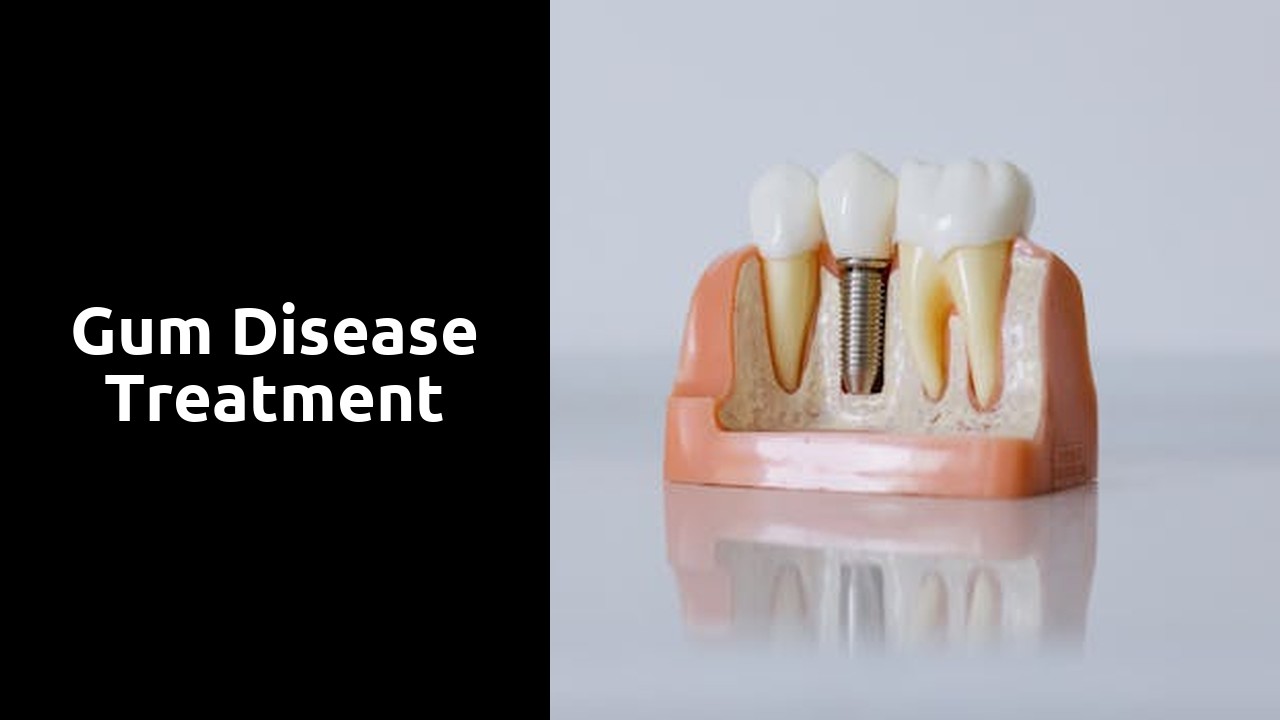
At Perioimplantcenter, we prioritize the health and wellbeing of our patients by offering top-notch gum disease treatment services. Our team of highly skilled periodontists utilizes the latest technology and advancements in the field to accurately diagnose and effectively treat gum disease. Whether you are in need of a routine cleaning or more advanced treatment such as laser therapy or surgical intervention, we have the expertise to tailor a plan that meets your specific needs. Our goal is to improve the overall health of your gums and prevent future complications, ultimately helping you achieve a healthy and beautiful smile. Trust Perioimplantcenter for your gum disease treatment needs and experience the difference in our quality care.
Maintenance and Aftercare
After undergoing treatment for gum disease, it is crucial to carefully follow the maintenance and aftercare guidelines provided by your dentist. Consistency in oral hygiene practices is key to preventing a recurrence of gum disease. This includes regular brushing, flossing, and rinsing with an antibacterial mouthwash to keep your gums healthy and free from infection.
In addition to diligent oral hygiene, attending regular check-ups with your dentist is essential in monitoring the health of your gums. Your dentist may recommend more frequent cleanings to prevent the buildup of plaque and tartar, which can contribute to gum disease. By staying proactive in your oral health routine and keeping up with dental appointments, you can effectively maintain the results of your gum disease treatment and enjoy a healthy smile.
Tips for Caring for Your Gums PostTreatment
After undergoing treatment for gum disease, it is crucial to prioritize the care of your gums to maintain optimal oral health. Regular brushing and flossing remain fundamental in preventing the recurrence of gum disease. Ensure that you are using a soft-bristled toothbrush and gentle, yet thorough, flossing techniques to protect your gums from further irritation.
Additionally, scheduling routine dental check-ups is essential for monitoring the health of your gums post-treatment. Your dentist will be able to identify any signs of gum disease relapse early on and provide necessary interventions. By staying proactive and consistent with your oral hygiene practices, you can promote long-term gum health and reduce the risk of future complications.
Prevention Strategies
Prevention of gum disease is crucial in maintaining optimal oral health. Consistent oral hygiene practices are essential to keep your gums healthy and free from infection. Brushing your teeth twice a day with a fluoride toothpaste and flossing daily can help remove plaque and prevent the buildup of bacteria that can lead to gum disease. Regular dental check-ups and professional cleanings are also important in detecting early signs of gum disease and addressing any issues promptly.
In addition to oral hygiene, a balanced diet rich in fruits and vegetables can support gum health. Avoiding sugary and acidic foods and beverages can help prevent plaque buildup and reduce the risk of gum disease. Limiting tobacco use and excessive alcohol consumption can also play a significant role in maintaining healthy gums. By practicing good oral hygiene habits and making healthy lifestyle choices, you can decrease your chances of developing gum disease and protect your overall oral health.
How to Prevent Gum Disease
Preventing gum disease is crucial for maintaining good oral health. One of the most important steps is to establish a consistent oral hygiene routine. This includes brushing your teeth at least twice a day with fluoride toothpaste and flossing daily. These simple habits can help remove plaque and prevent the buildup of harmful bacteria that can lead to gum disease.
In addition to regular oral hygiene practices, it is essential to visit your dentist for routine check-ups and professional cleanings. Your dentist can identify early signs of gum disease and provide appropriate treatment before it progresses. Avoiding tobacco products, maintaining a balanced diet, and managing stress can also contribute to overall gum health. Remember, prevention is key to keeping your gums healthy and free from disease.
Lifestyle Changes
Making lifestyle changes is crucial for maintaining good gum health. Improving your diet is one of the most effective ways to prevent gum disease. Incorporating more fruits and vegetables rich in vitamins and minerals can boost your overall gum health. Additionally, reducing the intake of sugary and acidic foods can help prevent plaque buildup and decrease the risk of gum inflammation.
Developing positive habits is another key aspect of promoting healthy gums. Consistent oral hygiene practices such as brushing twice a day and flossing daily are essential for preventing gum disease. Moreover, quitting smoking and limiting alcohol consumption can significantly improve the health of your gums. By making these lifestyle changes, you can actively support your gum disease treatment and reduce the likelihood of future complications.
Impact of Diet and Habits on Gum Health
Proper diet and healthy habits play a crucial role in maintaining optimal gum health. Consuming a well-balanced diet rich in vitamins and minerals is essential for supporting overall oral health. Foods high in sugars and carbohydrates can contribute to the development of gum disease by providing fuel for harmful bacteria in the mouth. It is important to limit the intake of sugary snacks and beverages to help reduce the risk of gum problems.
Additionally, adopting good oral hygiene practices, such as regular brushing and flossing, can significantly impact gum health. Brushing your teeth at least twice a day and flossing daily helps remove plaque and food particles that can accumulate along the gum line. Furthermore, avoiding tobacco products and excessive alcohol consumption is vital for maintaining healthy gums. Smoking and alcohol can both negatively affect gum health and increase the likelihood of developing gum disease. Making these simple lifestyle changes can go a long way in promoting strong and healthy gums.
FAQS
What is gum disease?
Gum disease, also known as periodontal disease, is an infection of the gums that can lead to inflammation, bleeding, and in severe cases, tooth loss.
What are the common symptoms of gum disease?
Common symptoms of gum disease include red or swollen gums, bleeding while brushing or flossing, persistent bad breath, and loose teeth.
How is gum disease treated?
Gum disease is typically treated through professional dental cleanings, scaling and root planing, antibiotics, and in severe cases, surgery.
Can gum disease be prevented?
Yes, gum disease can be prevented by practicing good oral hygiene, such as brushing and flossing regularly, avoiding tobacco products, and scheduling regular dental check-ups.
How important is aftercare following gum disease treatment?
Aftercare following gum disease treatment is crucial for long-term success. It includes maintaining good oral hygiene, following any post-treatment instructions from your dentist, and attending regular follow-up appointments.